Signs Your Commercial Property Has a Small Animal Issue
Identifying signs your commercial property has a small animal issue can help you connect with local service providers who specialize in safe removal and prevention.
If you manage a commercial property, noticing early signs of a small animal issue can prevent bigger problems down the line. Common indicators include strange noises within walls or ceilings, unusual odors, or sightings of small creatures near entry points. Recognizing these signs promptly is essential for maintaining a safe and secure environment for your tenants or employees. Local contractors who specialize in small animal removal are equipped to assess the situation accurately and recommend effective solutions, helping property owners address issues before they escalate.
Understanding the practical reasons to stay alert to signs of small animal presence can save time and resources. Small animals can cause damage to wiring, insulation, and structural components, leading to costly repairs if left unchecked. Additionally, they may introduce health risks or create disturbances that impact the usability of the space. Property owners in the area often turn to experienced service providers to handle these situations efficiently, ensuring that the property remains in top condition. Keep reading to learn more about how to identify these signs and when to seek professional help.
- Small animal removal services are needed when signs your commercial property has a small animal issue include droppings or chewed wiring, prompting local contractors to perform thorough inspections and humane removal.
- Exclusion work is required when signs your commercial property has a small animal issue involve discovering entry points, and local service providers focus on sealing gaps to prevent future infestations.
- Habitat modification is advised when signs your commercial property has a small animal issue include nesting areas or burrows, with local pros removing attractants and making the environment less appealing.
- Damage repair services come into play when signs your commercial property has a small animal issue involve structural damage, and local contractors work to restore affected areas after removal.
- Ongoing monitoring is recommended when signs your commercial property has a small animal issue persist, with local experts setting up preventative measures to keep animals from returning.
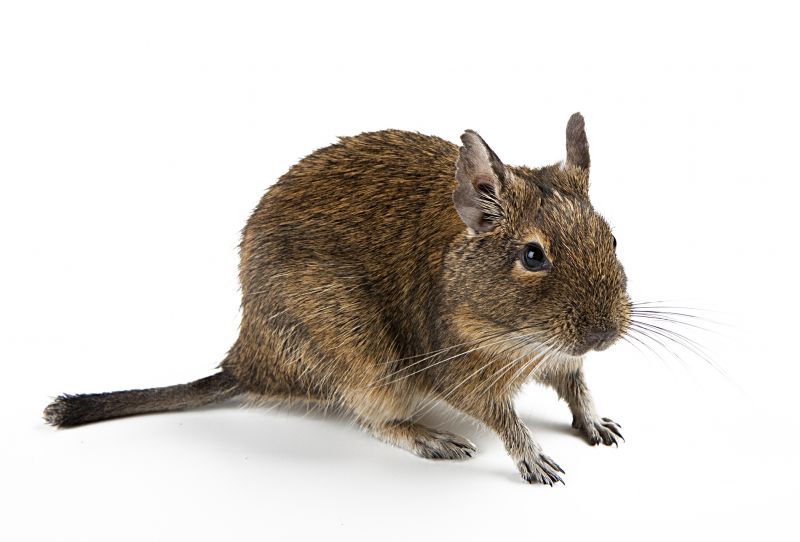
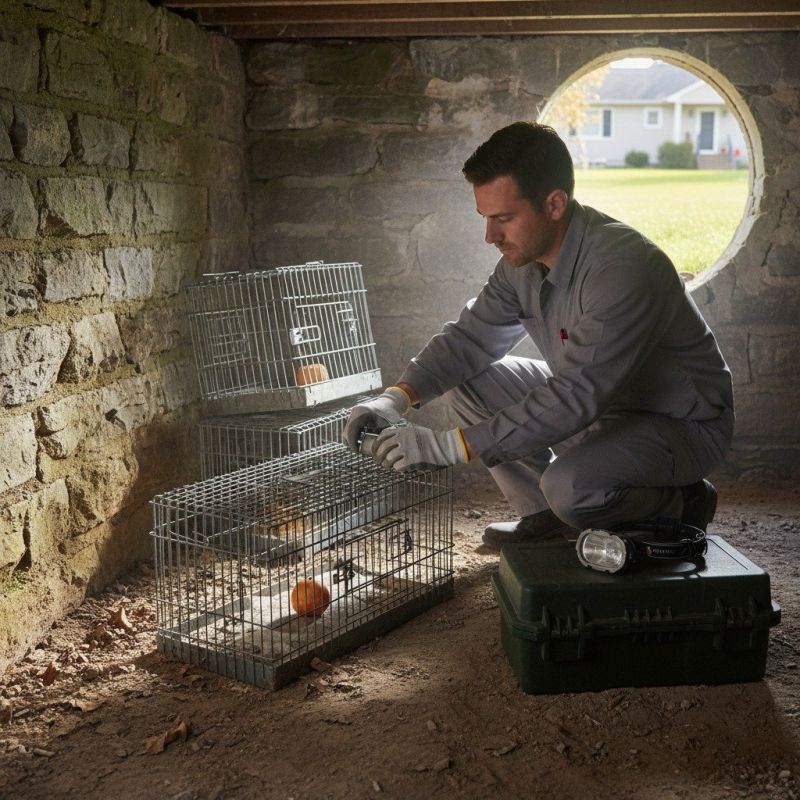
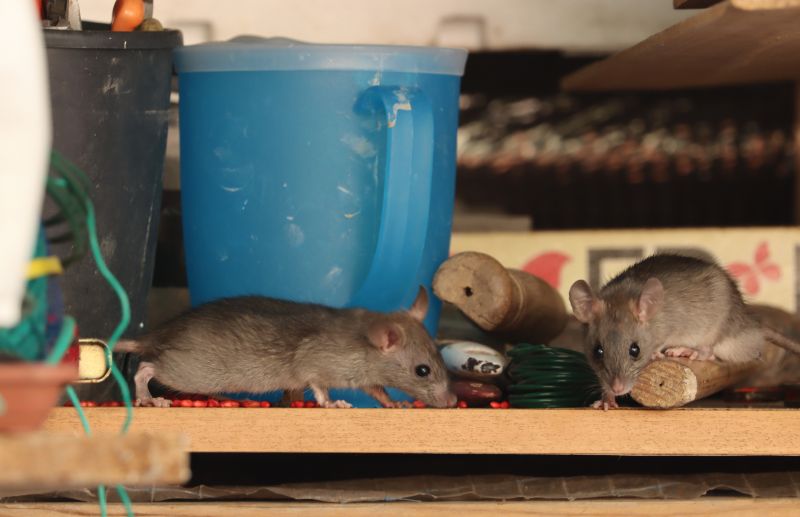
When searching for information about signs your commercial property has a small animal issue, most people are concerned with identifying early indicators of unwanted animal activity. Businesses and property owners often want to know if animals such as rodents, raccoons, squirrels, or other small creatures have taken up residence on their premises. Recognizing these signs early can prevent more extensive damage, health risks, and costly repairs. This topic is especially relevant for commercial properties where the presence of small animals can disrupt operations, compromise sanitation, or damage building structures. Understanding what to look for helps property managers and business owners take timely action to address the problem before it worsens.
This topic relates to a range of problems and plans that involve property maintenance, pest control, and damage prevention. Small animals can cause structural damage by gnawing on wood, wiring, or insulation, which may lead to costly repairs or fire hazards. They can also introduce health risks through droppings, urine, and nesting materials, impacting sanitation and safety standards. Plans to resolve these issues often include inspection, removal, and sealing of entry points, making sure animals do not return. Property owners may also consider ongoing monitoring or prevention strategies to reduce the chances of future infestations. Local service providers specializing in small animal removal play a vital role in executing these plans effectively, ensuring the property remains secure and animal-free.
Commercial properties that commonly face small animal issues include office buildings, retail centers, warehouses, restaurants, and industrial facilities. These properties often have accessible attics, crawl spaces, roof vents, or gaps in the foundation that attract small animals seeking shelter or food sources. Structures with stored goods, outdoor landscaping, or nearby wooded areas are also more vulnerable to animal incursions. In many cases, the signs of a small animal problem may emerge in areas where food is stored, or where there are unusual noises or odors. Recognizing the types of properties at risk helps owners and managers understand the importance of regular inspections and timely intervention by local contractors who specialize in small animal removal.
For property owners encountering signs of a small animal issue, partnering with local pros ensures the problem is handled efficiently and safely. These specialists have experience in identifying the specific species involved and implementing humane removal methods. They also focus on sealing entry points and providing advice on prevention to keep animals from returning. Since small animal issues can escalate quickly if left unaddressed, engaging local service providers is an essential step for maintaining a safe, clean, and damage-free commercial environment. Connecting with trusted contractors who specialize in small animal removal can help property owners protect their investments and ensure their spaces remain secure from unwanted animal visitors.
Pest Inspection Services - These projects involve thorough inspections to identify signs of small animal activity, which is essential for accurately diagnosing issues on commercial properties.
Building Damage Repair - Repairing structural damage caused by small animals requires planning and skills similar to those needed for identifying and addressing animal infestations.
Wildlife Exclusion Projects - Exclusion work involves sealing entry points and preventing future invasions, directly related to addressing signs of small animal issues on commercial sites.
Rodent Proofing Services - These projects focus on preventing small animals from entering buildings, often based on signs of activity like droppings or gnaw marks.
Structural Damage Assessment - Evaluating damage caused by small animals involves similar planning and inspection techniques used in identifying signs of infestations.
Sanitation and Debris Removal - Clearing out nesting materials and debris linked to small animal activity is a common part of addressing signs your commercial property has a small animal issue.
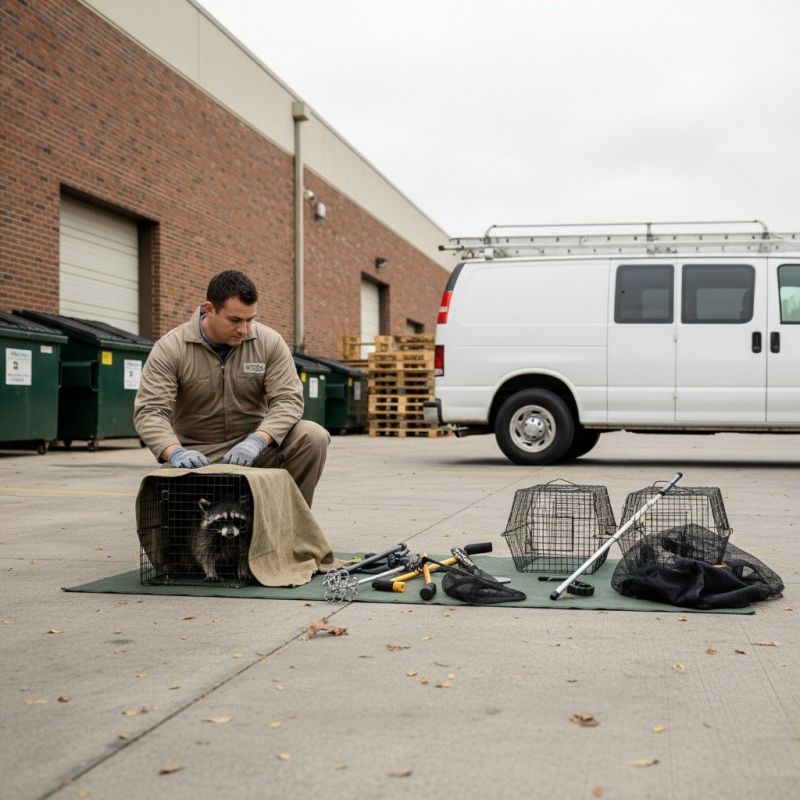
When comparing service providers for small animal removal on a commercial property, it’s important to consider their experience with similar projects. A contractor who has handled small animal issues in commercial settings will be familiar with the unique challenges these environments present, such as building structures, access points, and the types of animals common to the area. Asking about their past work can provide insight into their familiarity with signs your commercial property has a small animal issue and their ability to address these concerns effectively. This helps ensure that the chosen contractor understands the scope of the problem and has a track record of successfully resolving similar situations.
Clear written expectations are essential when selecting a service provider. A reputable contractor should be able to provide a detailed outline of the services offered, including the scope of work, methods used for removal, and any follow-up steps necessary to prevent future issues. This transparency helps prevent misunderstandings and ensures that the property owner understands what will be done to address signs your commercial property has a small animal issue. By reviewing these written expectations, property owners can make more informed decisions and select a contractor who provides clarity and professionalism in their communication.
Good communication and reputable references are key factors in choosing a reliable small animal removal service. Service providers should be willing to share references or testimonials from previous clients, particularly those with similar commercial properties. This feedback can offer valuable insight into their professionalism, reliability, and effectiveness in resolving small animal issues. Additionally, open and timely communication during the initial consultation and throughout the project indicates that the contractor values customer needs and can provide ongoing updates. Ensuring these qualities can lead to a smoother process and more confidence in the contractor’s ability to handle signs your commercial property has a small animal issue effectively.
Property owners often search for signs your commercial property has a small animal issue when they are planning practical projects around their homes and businesses. Local pros provide Small Animal Removal services for everyday jobs and straightforward project options.
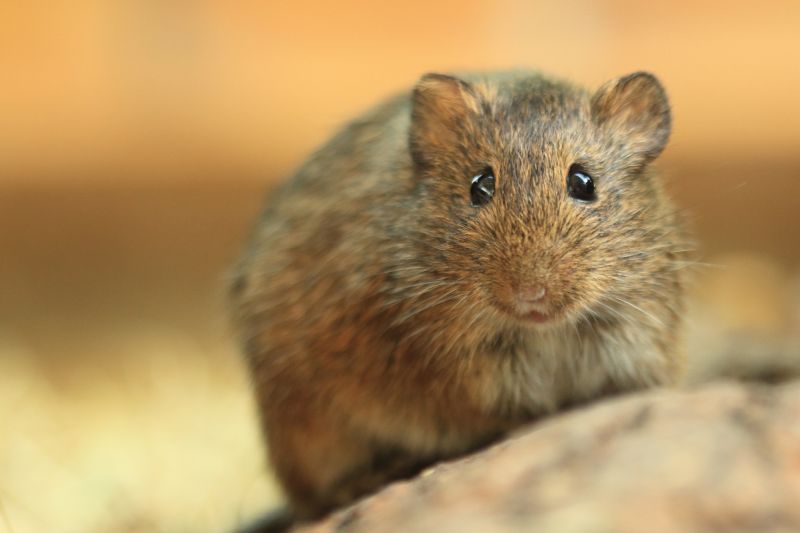
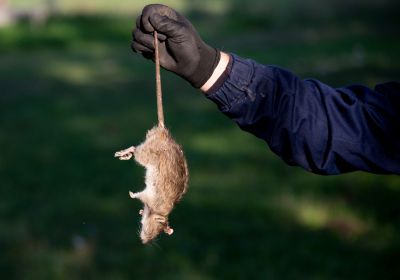
Recognizing signs of a small animal issue on a commercial property can often come down to observing everyday situations. For instance, property owners might notice unusual noises coming from walls or ceilings, such as scratching or scurrying sounds, especially during quiet times of the day. Additionally, the presence of droppings, chewed wiring, or insulation damage can indicate that small animals like rodents or other creatures have taken up residence. These common signs can alert property owners to the need for professional small animal removal services to address the problem effectively and prevent further damage or health concerns.
In many cases, small animal issues become evident when property managers or staff notice odors that seem out of place or see signs of nesting in hidden or hard-to-reach areas. Droppings or gnaw marks around food storage or utility areas are also typical indicators. When these issues are detected, it’s often a prompt to seek assistance from local service providers who specialize in small animal removal. These professionals can assess the extent of the problem and implement humane, effective solutions to restore the safety and integrity of the commercial space.
What are common signs that small animals have entered a commercial property? Unusual noises, droppings, gnaw marks, and damaged insulation or wiring can indicate a small animal issue on a commercial property.
How can I tell if small animals are nesting inside the building? Signs include shredded materials, nesting debris, and an increase in animal activity around vents, attics, or wall spaces.
Are foul odors a sign of small animal presence? Yes, persistent or strong odors can signal that small animals, such as rodents or raccoons, are nesting or have died within the property.
What damage might small animals cause to commercial buildings? They can chew through electrical wiring, insulation, and structural components, which may lead to safety hazards and costly repairs.
Who can handle small animal removal on a commercial property? Local contractors specializing in small animal removal can assess the situation and safely remove any animals present from the property.
Unusual Noises - Hearing scratching, scurrying, or squeaking sounds inside walls or ceilings can indicate small animals are present and need removal services from local contractors.
Droppings and Nests - Finding droppings or nesting materials in storage areas or hidden corners suggests an active small animal issue that local pros can address.
Damage to Property - Noticing chewed wires, insulation, or structural damage may point to small animals, prompting a consultation with local service providers for removal.
Odors or Unpleasant Smells - Detecting persistent odors near walls or vents can signal small animals are inside, and local contractors can help with safe removal and cleanup.
If you are thinking about signs your commercial property has a small animal issue for a property, this guide is meant to help you understand this topic, the typical project types, and how different options might fit your plans.
When you are ready, you can use the quote form on this page to share a few details about your project. From there, local pros can review the basics and follow up with options that match what you have in mind.